Bloemfontein Courant spoke to local musicians about the rise of AI-generated music and what it means for their craft. While some see it as a threat to authenticity and job opportunities, others view it as a powerful tool that can enhance creativity and shape the future of the local music industry.
Here’s what they had to say:
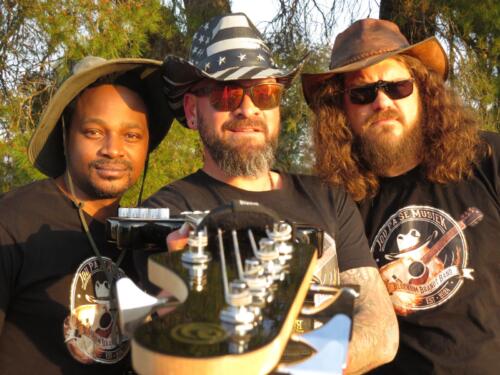
Bloekom Brandt Band: AI can help make music, but it can’t replace years of discipline and commitment, or the chemistry of real musicians creating together. The real threat isn’t the tool; it’s a flood of empty noise, with young artists deciding it isn’t worth the commitment to push past it.
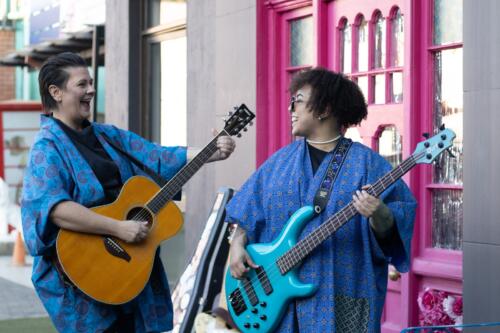
Belinda and Amy: To say it doesn’t worry us would be a lie. We’ve already seen artists’ voices copied illegally for someone else’s profit. But like any new technology, we adapt or get left behind. While it threatens parts of the industry, it may also create new roles and ultimately remind people that nothing replaces the authenticity of live music
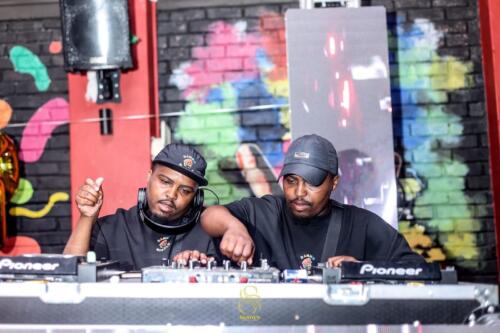
Twin Cyba: While the rise of AI in music raises valid concerns, it is a tool rather than a threat, with its impact depending on how it is used. Although AI can generate sounds and imitate voices, it cannot replicate human experience, emotion, and authenticity.

Teecee: AI is a threat to creativity and certain jobs within the music industry, raising concerns that it can become repetitive and lacks originality. However, AI could be useful in technical areas such as mixing, mastering, and music video production if applied thoughtfully.

Dr Phill: AI poses a real threat to the music industry because it can mimic familiar sounds and styles, making it difficult to distinguish between original artists and AI-generated tracks. While AI music may flood streaming platforms, it can never replace the authentic human touch that gives songs true emotional depth.